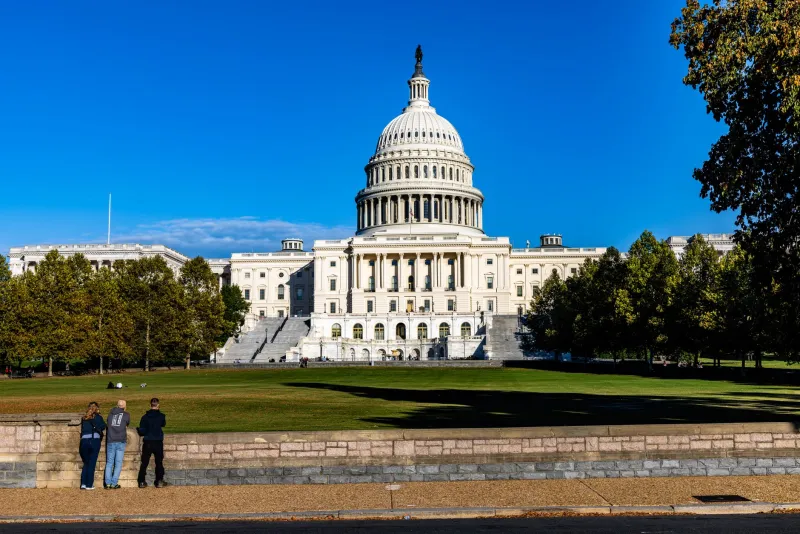
Drafted in the Dark: How Corporate Lobbyists Are Writing Your State's Laws
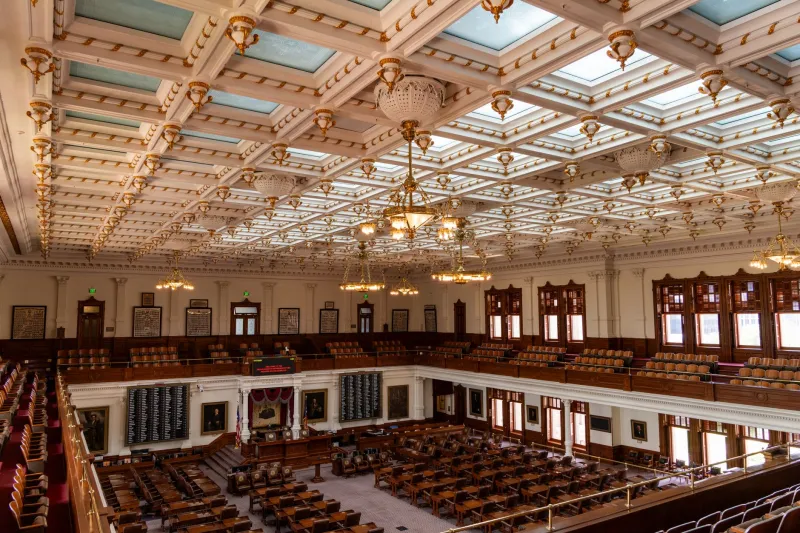
The Statehouse You Never See
Every session, state legislatures across the country convene to pass hundreds of bills governing everything from insurance rates to environmental standards, from public school curricula to pharmaceutical pricing. Most Americans assume these laws emerge from the deliberative work of elected representatives responding to constituent needs. The reality, in many statehouses, is considerably more complicated.
A growing body of research and investigative reporting suggests that a substantial share of state legislation is drafted not by lawmakers or their staff, but by lobbyists representing corporate clients with a direct financial stake in the outcome. These arrangements rarely make headlines. They unfold in committee rooms, private dinners, and email chains far removed from public view — and they shape the daily lives of millions of Americans who have no idea the process is happening.
How Model Legislation Moves Through the States
One of the most effective vehicles for corporate influence at the state level is model legislation — pre-written bills distributed to sympathetic lawmakers by industry groups and ideologically aligned policy organizations. Once introduced, these bills often move quickly through committees, amended only at the margins before reaching a floor vote.
Consider what happened in multiple states between 2014 and 2016 with legislation governing ride-sharing companies. Virtually identical bills, bearing the unmistakable fingerprints of industry-drafted language, appeared in state after state within months of one another. Lawmakers in several states later acknowledged they had received the legislative text directly from industry representatives, with little internal review before introduction.
The same pattern has repeated itself in sectors ranging from payday lending to agricultural regulation, from pharmaceutical distribution to occupational licensing. In each case, the industry possessing the greatest financial interest in the outcome arrived at the table with a finished product — and legislators, often understaffed and under-resourced, accepted the shortcut.
The Revolving Door at the State Level
Washington's revolving door — the well-documented phenomenon of government officials moving into lucrative private-sector lobbying roles — has a less-scrutinized counterpart in state capitals. Former state legislators, legislative aides, and agency staff routinely transition into lobbying positions with firms representing the very industries they previously regulated or oversaw.
In several states, the waiting period between leaving public office and registering as a lobbyist is as short as one year — or, in some cases, nonexistent for certain categories of government employment. This compressed timeline means that relationships built on public time and public trust can be monetized almost immediately.
A 2016 review of lobbyist registration records in a sample of twelve states found that former legislative staff members accounted for a disproportionate share of registered lobbyists working in sectors with active state regulatory agendas. These individuals bring with them not only policy expertise but also the personal relationships and procedural knowledge that make them exceptionally effective advocates for their new employers.
What Happens When the Public Isn't in the Room
The consequences of unchecked lobbying influence at the state level are not abstract. They appear in the fine print of insurance policies, in the fees attached to consumer financial products, in the environmental permits granted to industrial facilities near residential communities.
In one documented case from the Midwest, a bill limiting municipal authority to regulate certain agricultural practices was introduced, passed committee, and reached the floor within a single legislative week — a timeline that effectively foreclosed meaningful public input. Residents of communities affected by large-scale livestock operations had no opportunity to testify. Environmental groups learned of the bill's existence only after it had cleared its first committee vote. The legislation's language bore a close resemblance to model bill text circulated by an agricultural industry association months earlier.
This compressed, opaque process is not unique to any one state or political party. It is a structural feature of legislatures that lack sufficient staff resources, robust public participation requirements, and meaningful cooling-off periods for former officials entering the lobbying profession.
Tools Every Citizen Should Be Using
The good news is that most states require lobbyists to register publicly and disclose, to varying degrees, which clients they represent and which legislation they are actively working to influence. These records are often underutilized by the public — but they are accessible, and learning to read them is a genuinely powerful form of civic engagement.
Here is a practical framework for tracking lobbying influence in your own state:
Locate your state's lobbyist registration database. Every state maintains one, typically through the Secretary of State's office or a dedicated ethics commission. Search for your state's name alongside the terms "lobbyist registration" or "lobbying disclosure" to find the relevant portal.
Search by industry or employer. Most databases allow searches by the name of the organization employing the lobbyist, not just the individual registrant. If you want to understand how much influence a particular industry has in your statehouse, look up the number of registered lobbyists working on its behalf and cross-reference that against recent legislation in the relevant policy area.
Track bill sponsors alongside lobbyist registrations. When a bill is introduced that affects a regulated industry, note the sponsoring legislator and then check whether lobbyists representing that industry have disclosed contact with that legislator's office. In states with robust disclosure requirements, this connection can often be established directly from public records.
Review campaign finance records in parallel. Lobbying and campaign contributions frequently operate in tandem. Cross-referencing a lobbyist's client list with the campaign finance records of the bill's primary sponsors can reveal patterns that neither database makes obvious on its own. Most states publish campaign finance data through the same agency that manages lobbying disclosures.
Monitor legislative calendars for compressed timelines. Bills that move unusually quickly through committee — particularly those introduced late in a session — often receive less public scrutiny. Tracking the calendar for legislation affecting industries with a strong lobbying presence can help citizens intervene before a vote rather than after.
The Reform Conversation Your State Needs to Have
A number of states have moved to strengthen their lobbying disclosure regimes in recent years, requiring more granular reporting of lobbying contacts, extending cooling-off periods for former officials, and mandating disclosure of model legislation origins. These reforms have met with predictable resistance from the industries and lobbying firms with the most to lose from greater transparency.
Advocates for stronger disclosure argue that the public interest is served not by prohibiting lobbying — a constitutionally protected form of political speech — but by ensuring that citizens have access to the same information that legislators receive. When the public can see who is making the arguments, who is funding those arguments, and which lawmakers are most receptive to them, the democratic process is better positioned to produce outcomes that reflect the full range of constituent interests rather than those of the most organized and well-financed actors.
For a platform committed to building genuine representation for every American, the statehouse is not a secondary concern. It is where the rules of daily life are written — and where the distance between citizen and lawmaker is, in principle, shortest. Closing that distance requires not only electing responsive representatives but also developing the civic capacity to monitor what happens after the election is over.
The lobbyist in your statehouse is doing their job. The question is whether the citizens those laws will govern are doing theirs.