Before the First Vote Is Cast: Inside the Hidden Negotiations That Write America's Laws
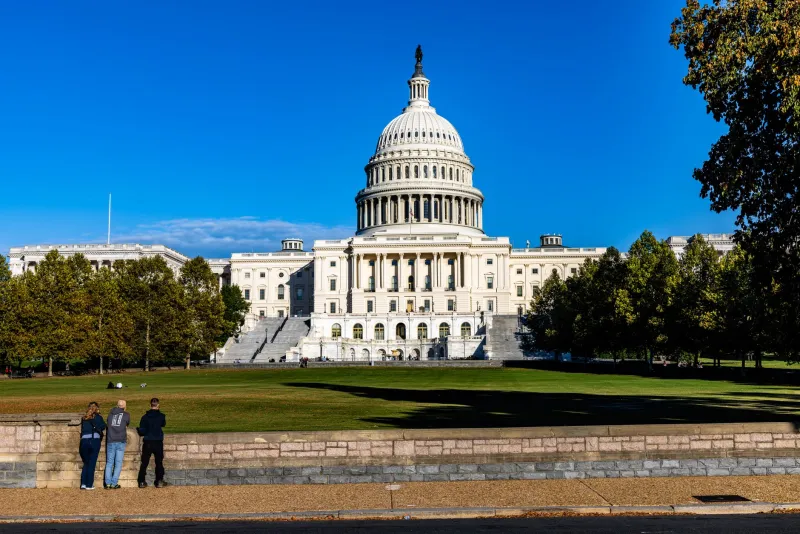
When C-SPAN cameras pan across the House or Senate floor during a high-profile vote, most Americans are watching the final act of a drama whose pivotal scenes were staged weeks or months earlier. The floor vote — the moment most visible to the public — is, in many respects, a formality. The real architecture of American legislation is built in committee rooms, congressional offices, and informal gatherings where lobbyists, staff directors, and a handful of senior legislators negotiate the terms of policy long before any public debate is convened.
For a political platform genuinely committed to building representation for every American, this reality demands direct attention. Citizens cannot meaningfully influence laws they never see being written.
What a Markup Actually Is
Every piece of federal legislation begins its formal journey in committee. After a bill is introduced and referred to the appropriate committee — say, the Senate Finance Committee for a tax proposal, or the House Energy and Commerce Committee for a healthcare measure — staff and members begin a process of review and revision. The formal session in which committee members gather to amend and vote on a bill is called a markup.
The term derives from the literal act of marking up a draft: crossing out language, inserting new provisions, adjusting dollar figures. In theory, markups are open to the public. The House Rules require most committee markups to be conducted in open session, and the Senate follows similar conventions. In practice, the markup itself represents only the visible portion of a much longer negotiation.
Before a single amendment is offered in open session, staff members from majority and minority offices have typically exchanged multiple drafts. Lobbyists representing industry groups, advocacy organizations, and constituent interests have submitted detailed technical comments. The committee chair's office has often pre-negotiated which amendments will be accepted, which will be tabled, and which will never be offered at all.
By the time members take their seats for a formal markup, the contours of the legislation have frequently been determined.
The Stakeholders You Don't See
Understanding who shapes legislation before it reaches the floor requires identifying the full ecosystem of actors operating in the pre-markup phase.
Committee staff directors wield enormous influence. These are not elected officials; they are highly experienced policy professionals who draft legislative language, manage negotiations, and maintain institutional memory across multiple congressional sessions. A single staff director on the Senate Judiciary Committee may exercise more day-to-day influence over criminal justice legislation than most of the senators on that committee.
Registered lobbyists are required by the Lobbying Disclosure Act to file quarterly reports identifying their clients, the issues they are working on, and the approximate amount they are paid. These disclosures are publicly available through the Senate Office of Public Records and the House Clerk's office. Searching these databases by bill number or policy area reveals which organizations are actively engaged in shaping a given piece of legislation — and when their engagement began.
Trade associations and think tanks frequently provide the technical drafts from which legislative language is drawn. Organizations across the ideological spectrum — from the Chamber of Commerce to labor federations to environmental coalitions — submit detailed legislative proposals that committee staff routinely incorporate into working drafts. Tracking which organizations have submitted formal comments or testimony gives citizens a clearer picture of whose priorities are being encoded into law.
How to Monitor Legislation Before It Calcifies
The good news is that the preliminary stages of the legislative process, while less publicized than floor votes, are not entirely opaque. Several tools allow engaged citizens to track bills at their most formative moments.
Congress.gov provides the official text of introduced legislation, committee referrals, and scheduled hearings. Setting up alerts for bills relevant to your policy priorities ensures you receive notification when committee action is scheduled — before positions have hardened.
Committee hearing transcripts and witness lists are among the most underutilized resources in civic engagement. When a committee schedules a hearing on proposed legislation, it invites witnesses to testify. The witness list itself is instructive: who was invited, who was excluded, and what perspectives were represented in formal testimony. These transcripts are archived and searchable.
The Congressional Record documents floor proceedings in detail, but it also includes committee reports — documents that committees are required to produce when reporting a bill to the full chamber. These reports explain the bill's purpose, summarize the markup process, and often include dissenting views from minority members. Reading committee reports reveals the fault lines within a bill and the compromises that were struck to move it forward.
State-level equivalents follow similar patterns. Most state legislatures maintain committee hearing calendars, and many now livestream markup sessions. For citizens focused on state policy — where much of the consequential governance affecting daily life actually occurs — these resources are equally valuable.
Intervening at the Formative Moment
Tracking legislation is only the first step. The more significant opportunity lies in intervening while a bill is still in formation.
Committee members are typically more accessible during the pre-markup phase than during floor consideration. A senator or representative who sits on the relevant committee is the appropriate target for constituent contact at this stage — not the full chamber. Contacting that member's office with specific, technically grounded feedback on draft language is more likely to be received seriously than a general expression of support or opposition after a bill has already passed committee.
Coalition building at the local level can also influence the pre-markup process. When a committee chair's office receives communications from a coordinated group of constituents — particularly those with direct professional or personal experience with the issue at hand — it signals that the legislation has visible public stakes. Staff directors pay attention to organized constituent pressure in ways that they do not always register isolated individual contacts.
Public comment periods, where they exist, are another formal channel. While these are more commonly associated with the federal rulemaking process under the Administrative Procedure Act, some legislative committees invite public comment on draft legislation. Submitting substantive written comments creates a public record and, in some cases, directly shapes the language that emerges from markup.
Why This Matters for Democratic Accountability
A platform that genuinely serves every American cannot restrict its focus to the moments of greatest public visibility. Floor votes matter. Elections matter. But the cumulative effect of thousands of pre-markup negotiations — conducted outside public view, shaped by well-resourced stakeholders, and resolved before most citizens are aware a decision is being made — is equally consequential for the quality of American governance.
Demystifying this process is not an exercise in cynicism. It is a prerequisite for effective participation. When citizens understand where decisions are actually made, they can direct their energy accordingly. The committee room, the staff director's inbox, and the formal hearing record are where laws are written. They are also, for those willing to engage, where the public voice can still be heard.